The Court of Whispers
Author: Clarice França
Lore Article
The Court of Whispers
Author: Clarice França
“The Court of Whispers surely seems like the peak of Belyos’ society for those who look from the outside. And maybe it is. There is simply much more under the superficial glamour of it all. The pretty faces and sweet smiles hide venomous words and treacherous plots that will kill as surely as any blade. A noble from the Legion of the Fallen doesn’t have friends, but allies, and only for as long as they are useful. Even the Monarch of the Dead is not beyond playing these games.”
— Countess Morrida Umberland, Seeker of the Legion of the Fallen
In the cold heart of Belyos, where the living are the minority of the populace, the Court of Whispers rules with an iron fist inside a velvet glove. Within the halls of Abysola, the most powerful family Houses, each claiming descent from Ptan-Ravalum and her children, meet to make decisions that will influence the fate of the nation. What brings them all together is, supposedly, devotion to the teachings and mission left behind by Ravalum, although some Houses only pay lip service to the teachings of old.
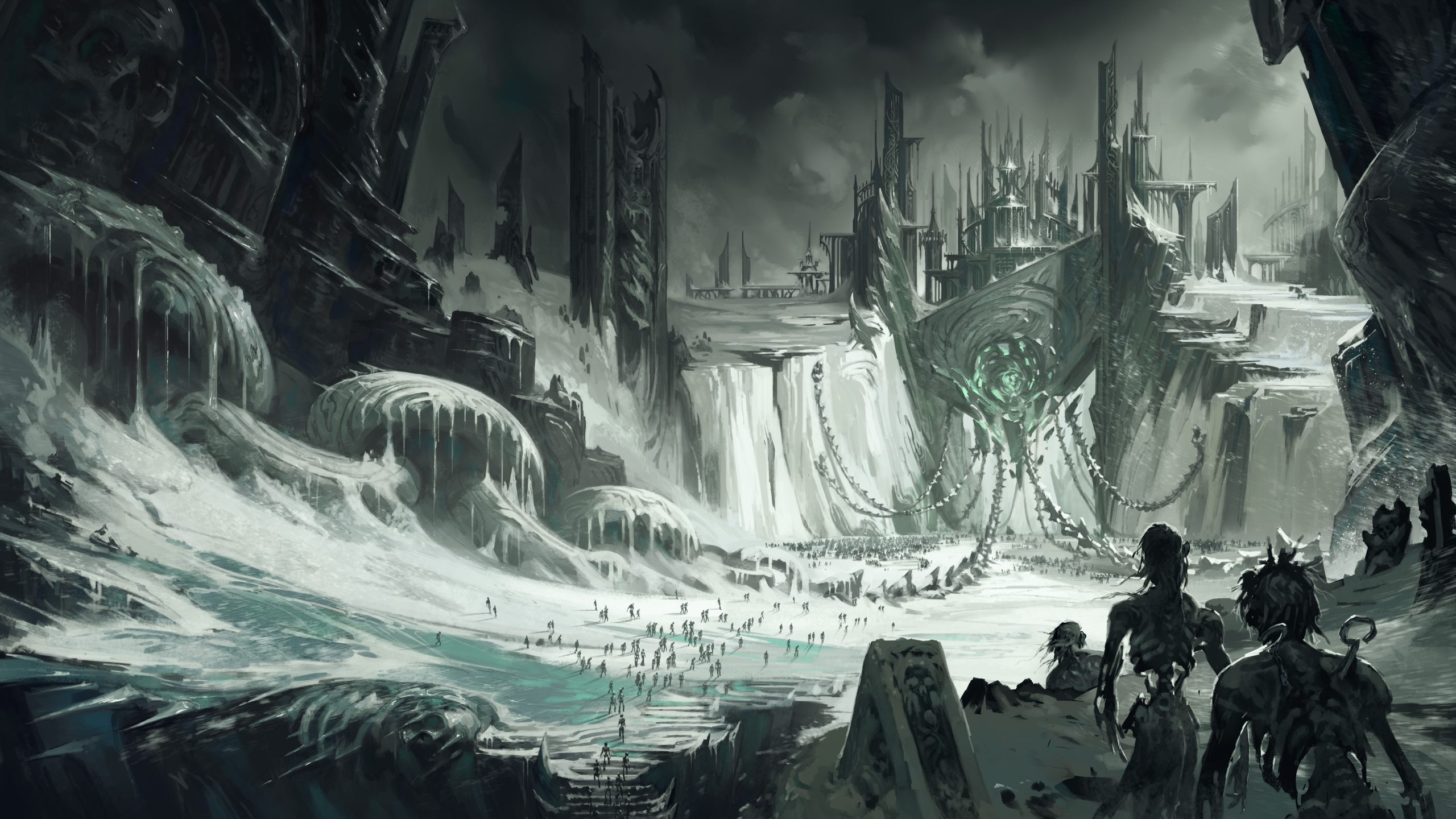
Political intrigue and conflict in Belyos were common even before the Court of Whispers existed, with stories dating as far back as the Everlasting War. Once Ptan-Ravalum sacrificed her essence to awaken the Amatrix, the Vestige that serves as an anchor for the Anush-Vah and empowers the Monarch, and created the Staff of Kerak using her dead lover’s soul, chaos ensued. It was unclear to the people of Belyos, especially Ptan-Ravalum’s children, which one of them should rise to power in their mother’s place. Oskara, Ynnash, and Masar each interpreted their mother’s teachings in a different way, and there could be no reconciliation between them.
This war lasted for decades, until one of the three’s grandchildren rose to power and made a deal with the remaining descendants of Ptan-Ravalum. The line of succession would no longer be one of direct descent, but chosen among candidates of all families, guided by the Wisdom of the Amatrix and the Staff of Kerak. Although this decision ended a civil war and allowed for the Legion to prosper once more, it did not eliminate the conflict between the families, but simply pushed it into the shadows.
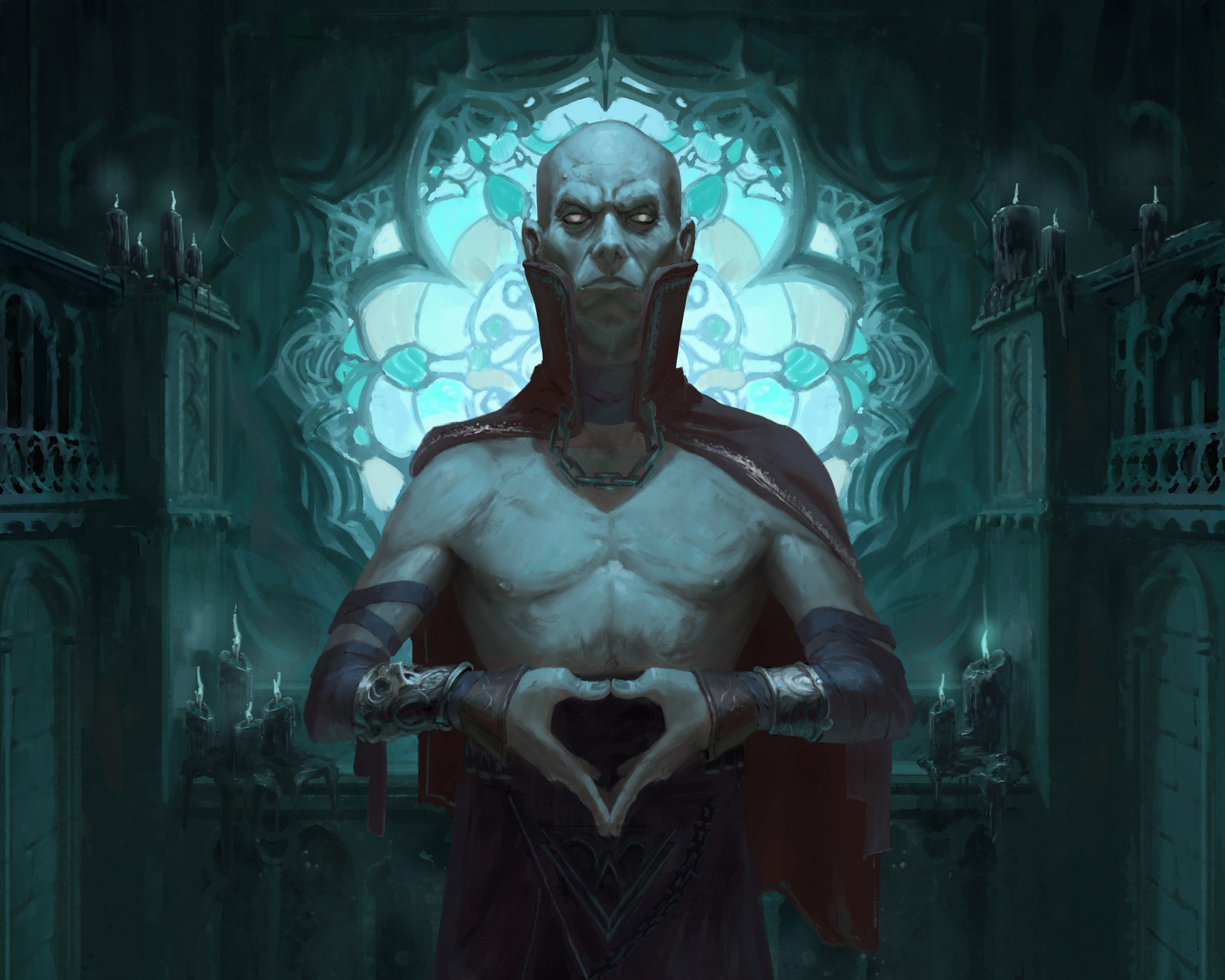
There are currently more than forty Houses with representatives in the Court. Even though all these families hold some power, the final say on any matter of policy belongs to the Monarch of the Dead. Currently, Her Majesty Ptan-Octavia, of the Ynnashir lineage, holds the titles of Queen of the Dead, Defender of the Honored Fallen, and Inheritor of Ravalum’s Legacy.
To have a seat at the Court, a House must fulfill three criteria:
- They must prove a direct blood link to one of the three lineages that come from Ptan-Ravalum.
- They must be sponsored by at least three Houses that are already part of the Court.
- The founding patriarch or matriarch must be recognized by the Monarch for a great service rendered in the name of the Legion.
Centuries ago, it was much more common for new Houses to break away from the main branch of the family and rise to the Court themselves. Nowadays, however, any petition to recognize a new noble family is almost impossible to approve, for the Houses of the Court have never been more at odds with each other. The Heads of the Houses, the representatives of each family, have no desire to share even more of their influence, and the list of grievances between the families stretches back for generations.
Each family has its own ways of choosing who will be the Head to represent their interest. Few rely on the outdated custom of giving this role to the eldest. Some hold an internal vote to choose the better representative. Some of the Oskari lineage hold duels between those who wish to become the Head of the House. Other Houses enact scrying rituals, or speak with the dead, or undertake various trials or journeys to select worthy candidates. The Monarch holds the right to refuse a chosen representative, a great shame to any who have been spurned.
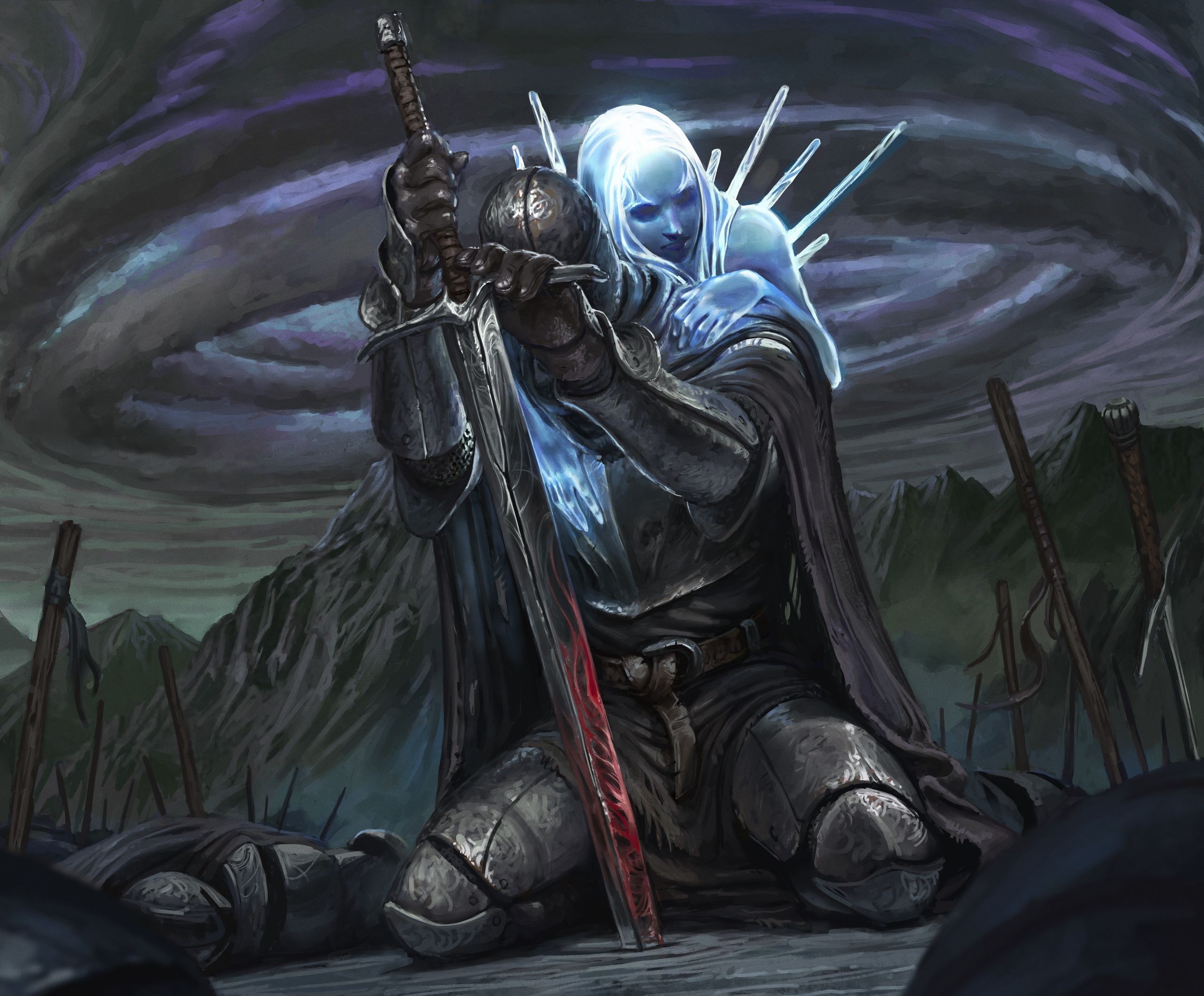
Intrigue, lies, and backstabbing are all part of a normal day in the Court of Whispers. Sessions are held regularly, where the nobles maintain beautiful facades to hide their true intentions. However, the political dance of Belyos doesn’t happen only inside the political chambers. If during the day the Court of Whispers debates endlessly, each of the Heads trying to convince the others, at night the battlefield changes to concerts, banquets, and balls, sponsored by the aristocracy. A Belyosan ball is an event where one may enjoy exotic food and drink, and dance to their hearts’ content.
Meanwhile, spies working for different families will battle in the shadows, attempting to gather information and poison the goblets of their rivals. The game of social intrigue that happens during these events may produce even better results. The masquerade balls of the Court of Whispers are one of the few places where the nobles show their true faces, donning vibrant masks to represent their true inner aspect. Each mask is expertly crafted according to their wearer’s commands, and the nobles take grim pleasure in the grotesque visages that are supposed to represent their souls.
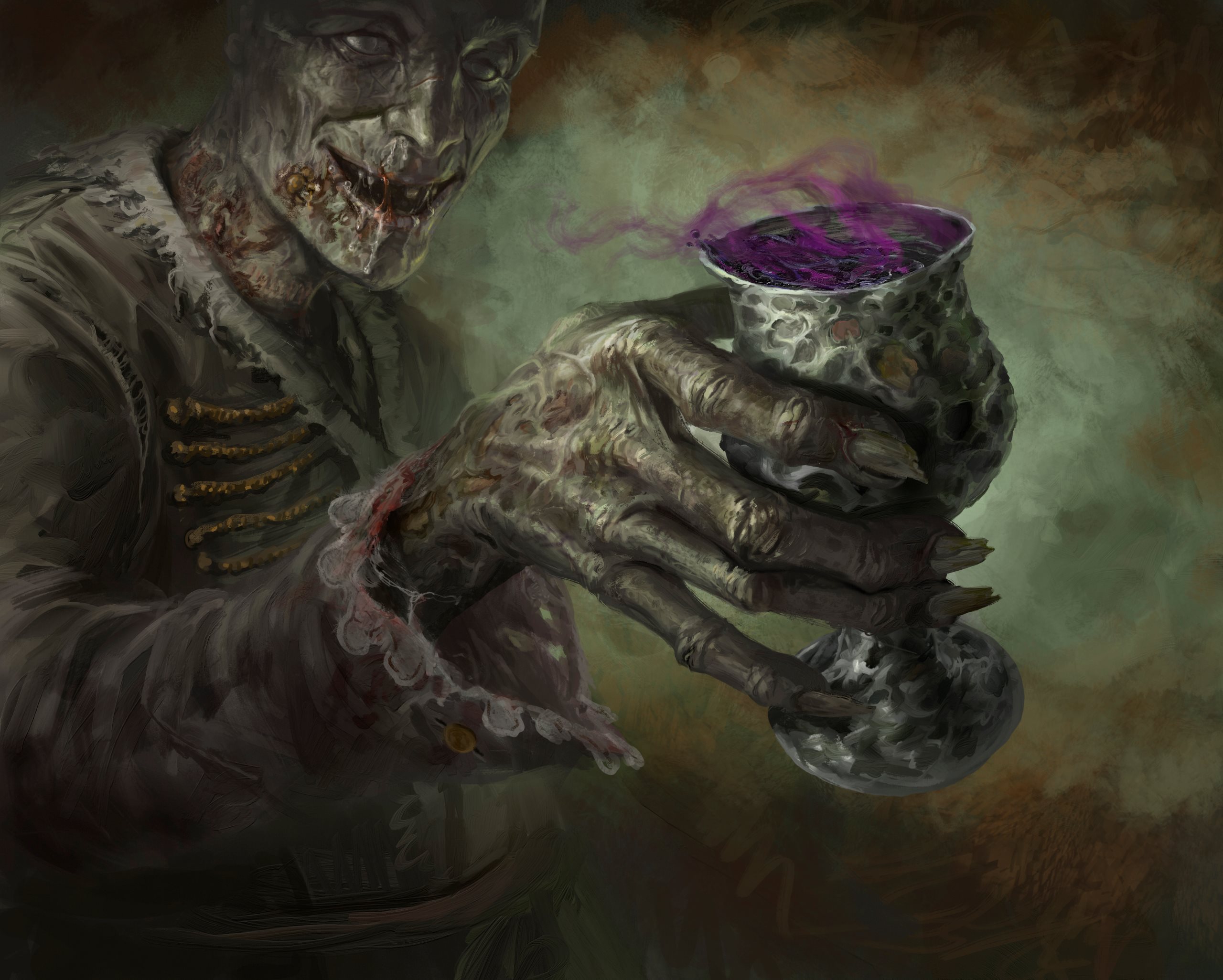
The family trees of the noble Houses of the Legion of the Fallen are extremely complex due to the multiple relationships a noble might maintain. Marriages are purely political affairs, but unlike the dead, the passions of the living run wild and hot in Belyos, sometimes to the detriment of politics. In the many parties, nobles indulge themselves with lovers, some of them even becoming official consorts. These unions sometimes produce bastard offspring, which the Houses may accept or scorn. Some are given to be raised in the Epitaph, while others become laborers or craftsmen.
Even though in public, the members of the Court of Whispers seem to get along at least enough to keep their interactions civilized, the rivalries go deep. Some families achieve more renown than others, but they are all aiming to obtain more power. Even perhaps, by having one of their own become the next Monarch.
Below are some Houses of note:
House Eldriss
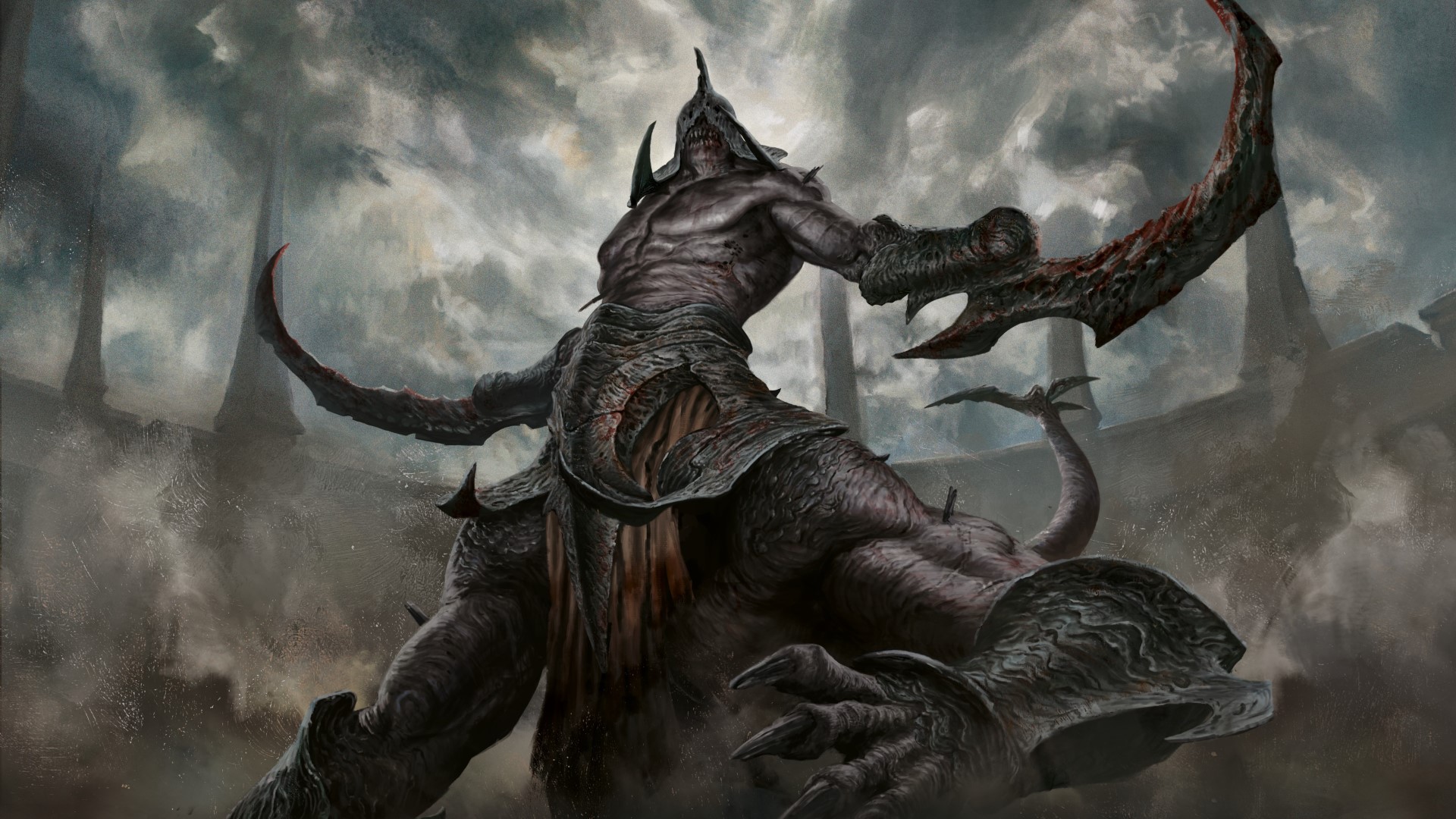
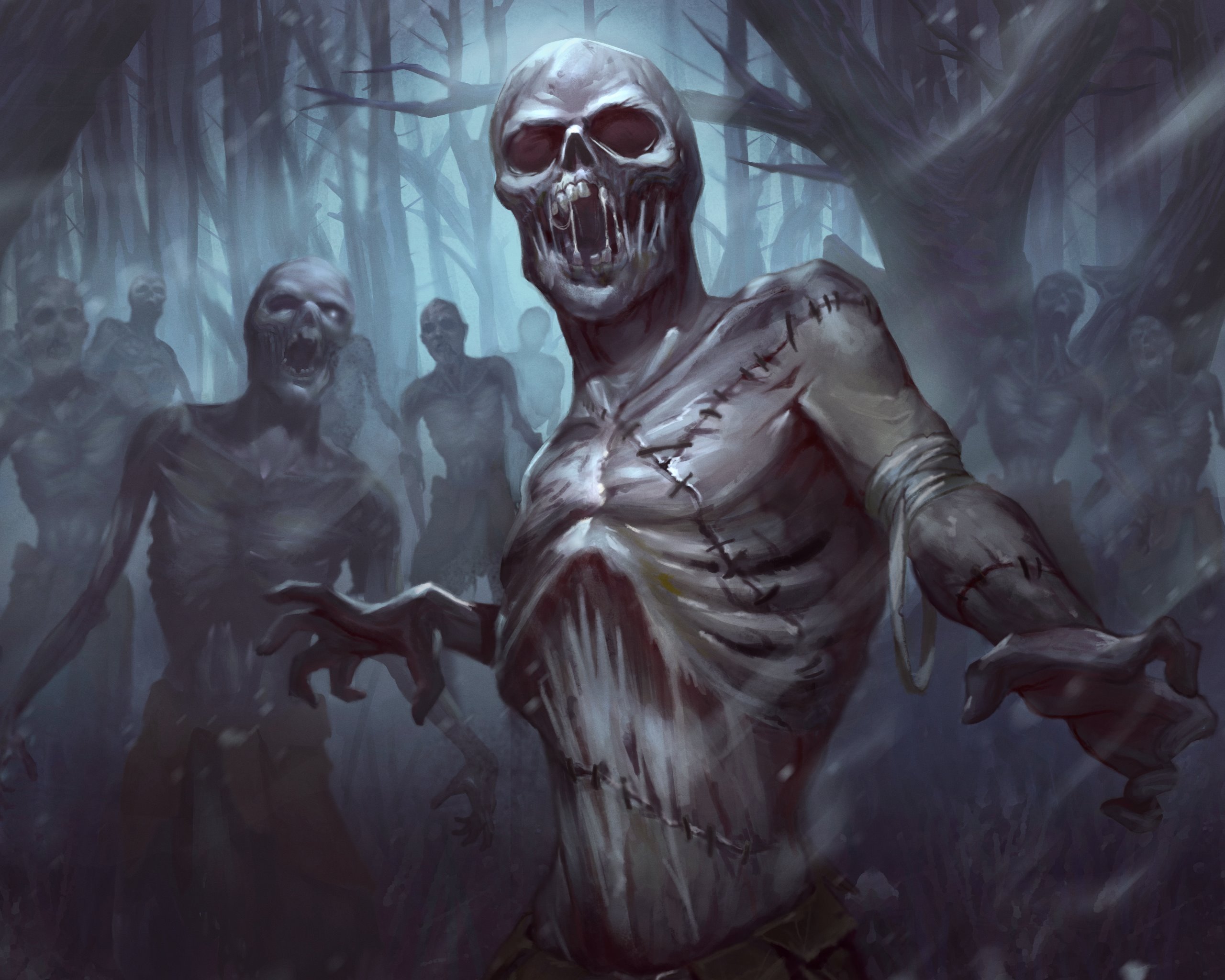
Coming from an interesting mix of Oskari and Ynnashir lineage, the Eldriss are considered eccentric at best, monstrous at worst. While most of the noble Houses among the Legion of the Fallen believe the end to the Curse of Death is to be found within the mysteries of the Anush-Vah and the teachings of Ptan-Ravalum, the Eldriss focus on the material world. To them, the secret to eternal life lies in the creation of a perfect body, one that can sustain the soul indefinitely. They treat the Honored Fallen with much less deference than their brethren, for they see their craft more like experiments than other families.
House Eldriss maintains the largest study facilities of the Fallen in the whole of Belyos, located underground, near the Necropolis. The most enthusiastic members of the family barely leave the underground, too focused on their experiments. They aren’t shy about showing their monstrous inventions, but they still crave for more. They know how to stitch the flesh of different beings together, but never know quite exactly how to include the soul. Among the Court of Whispers, it is said the Eldriss are attempting to make marriage arrangements with Countess Morrida. In a mix of admiration and jealousy, the family plans to join forces with her for her unique abilities with the Soulstitcher, but the Seeker has so far ignored all proposals.
House Branchia
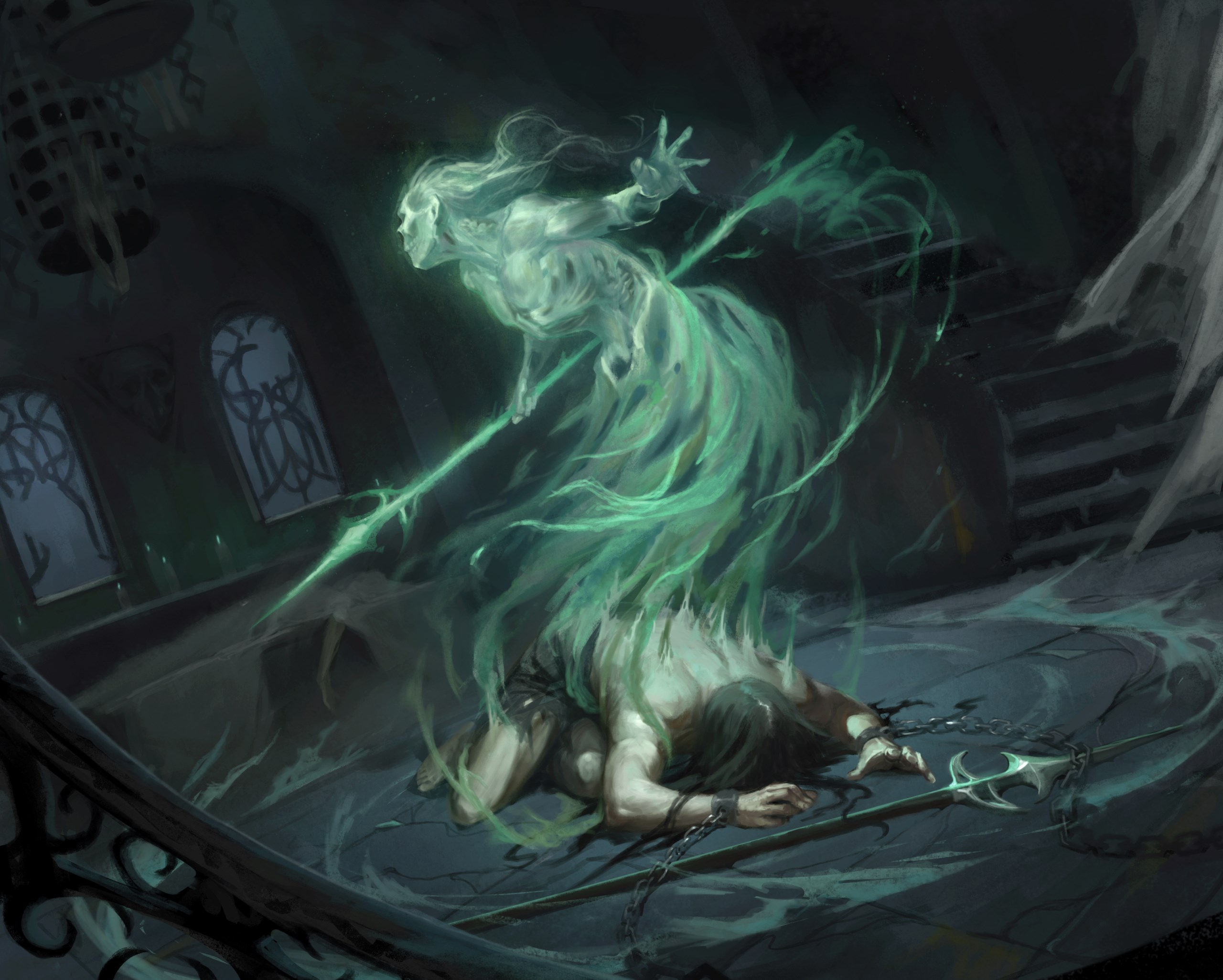
Unlike the Eldriss family, House Branchia sees no point in focusing their immortality rites on mortal flesh. Life does not lie in the preservation of the flesh, but in the elevation of the Soul. The echoes left behind by an existence can still reverberate in Selejia, if only given the chance. For the people in this family, being free from the limitations of flesh is the ultimate stage of existence. For that, the spirits are seen as superior beings within House Branchia. While the corporeal Fallen are crude and limited, Spirits remain the true expressions of one’s soul. That is why they keep their free will.
Coming from the Ynnashir lineage, and their methods being much more palatable among the Court of Whispers, House Branchia became a respected name. When one thinks about soulwhisperers, the members of this family always come to mind, for they are specialists in summoning and bargaining with spirits. Rumors among the Court of Whispers claim that some of the matriarchs and patriarchs of the Branchia still exist as sentient spirits, the ultimate goal of all their relatives. Even though the Seeker Griza owes their allegiance to the Order, House Branchia sees in them the future of Belyos and those who embrace the Anush-Vah.
House Lethari
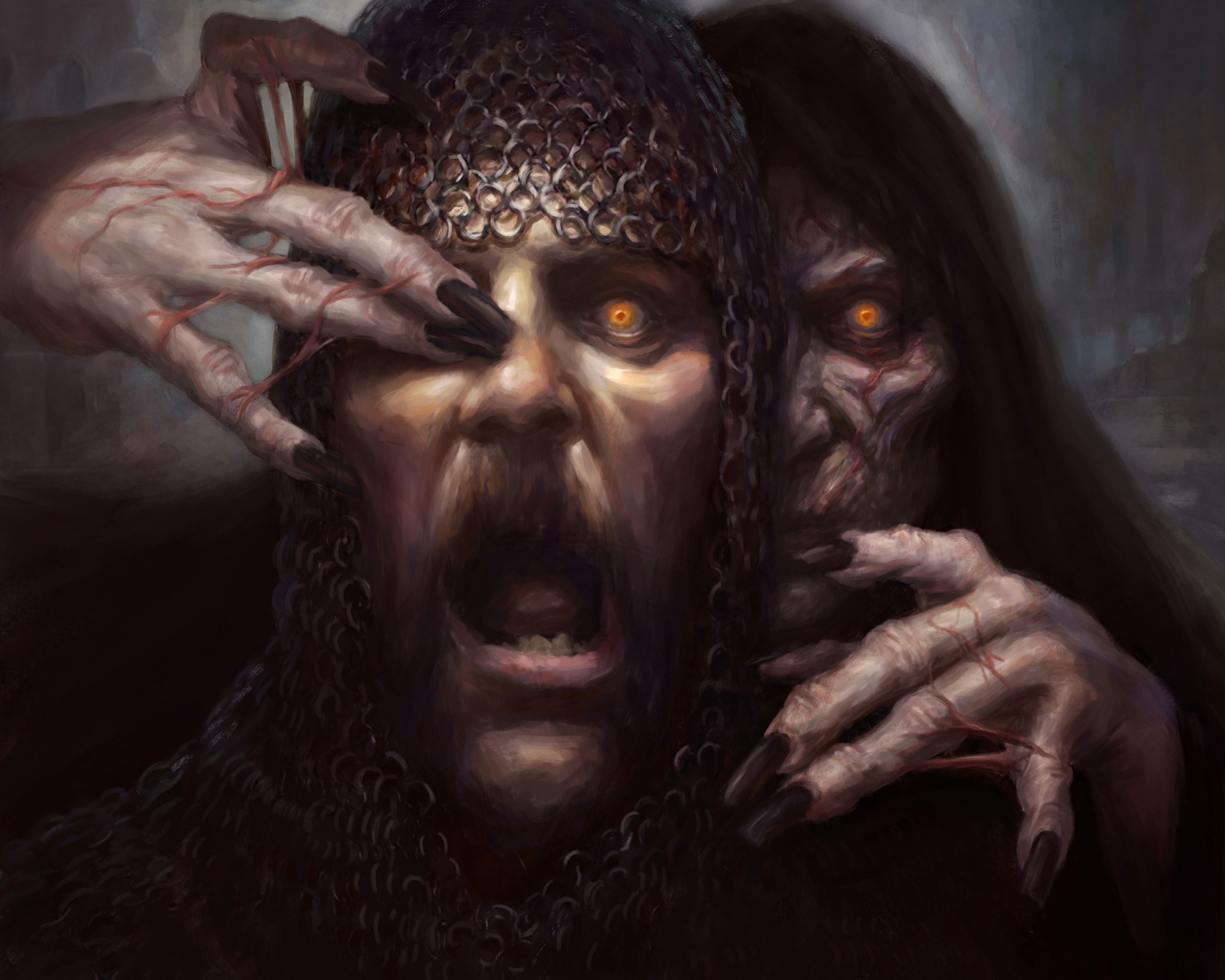
Known as diplomats by some and as manipulators by others, House Lethari comes from the Massarin lineage. While some necromancers may command entire hordes of the undead, Lethari’s focus is on the execution of complex commands by their few beautiful puppets, which they see as works of art. And the undead are just one option of puppet available to them. They have mastered the powers to curse, influence, and control the minds of even the living.
The Lethari take the wisdom of their ancestors quite seriously. Before any session in the Court, they gather with their nobles, both living and dead, to seek their wisdom. They have a personal “library” of Fallen relatives surpassed only by that of the Epitaph. They are allowed to keep this library for the services they render as the envoys and diplomats of the Legion, although many of them also work as spies. The Fallen of House Lethari hold a great wealth of secrets that could be brought to bear against any of the other Houses. Nominally, the Head of the House, Lord Nodum Lethari, is just that… a head kept preserved, so his knowledge and wisdom can still guide the Lethari.
Masters of manipulation and known for their silver tongue, having a Lethari as an ally is both a blessing and a curse.
House Vermant
Even though the Vermant family has existed since before the Fall, their rise to power is the stuff of legends and is still remembered to this day. Izza Vermant, one of the greatest artisans Belyos had ever seen, found the key to bringing Horrors into existence by giving new meaning to some of the funerary rites of the Legion. She was a mortician, preparing the bodies of the dead so they could be preserved, until the time came for the Legion to raise them. Flesh was as clay in her hands, and her instruments carved bone as one does wood. With a finesse rarely seen before, the necromancer discovered she could do more than preserve; she used the flesh of the Fallen to create something new.
Many would have hidden that secret, aiming for more power. However, the matriarch thought differently. By presenting herself to the Monarch of the Dead, accompanied by two domesticated Horrors, she revealed what would become one of the greatest assets the Legion of the Fallen has until today. House Vermant was quickly given a seat among the Court of Whispers, representing the Masarin lineage. Their influence grew ever more pronounced, for although many can create Horrors, the artistry of the Vermant was unmatched. However, as generations passed, Vermant’s ways have come to be considered antiquated, their creations too “traditional”. The family is trying to regain their influence, with younger members daring to create ever more strange Horrors, to the chagrin of the elders. Recently, they have lost one of the Family Legacies to an incursion of Conclave agents, which has not helped their reputation.