Selejia – Beyond the Malediction 1
Author: Tiago Bonifácio
Lore Article
Selejia – Beyond the Malediction 1
Author: Tiago Bonifácio
The Malediction may be a nightmarish wound on the face of Selejia, but to many of those who inhabit the continent, it remains just that: a bad dream. Most people of Selejia will never come closer to the accursed lands than Veloma, nor would they ever want to. It is little wonder, for besides the horrors people know to be within the Wall of Galdrun, the world outside it has many more wondrous and interesting places to visit. Getting to those places may still be a dangerous endeavor for a variety of reasons, but as this Age of Legacy seems to reach its zenith, travelers from Brighthold to Kuit’ra’s Den have found myriad reasons to traverse the continent.
Sanctorum: As a rule, the Order of the Shattered Throne does not bury their dead, burning them instead. The prayers said over the funeral pyres are said to release the soul so that it may join the Oathbound Light. As a consequence, Dynas has no burial grounds, only memorials to the dead. The largest of these is Sanctorum, where the names of all those who’ve shed their life’s blood for the Order’s cause are recorded, along with their valorous deeds, in a vast archive. Sanctorum is where the greatest heroes of the Order are immortalized in statues, reliefs, and paintings that awe and inspire all those who see them. Many Vulkir choose to come here when their time approaches, so they may join the statuaries. It is a place of idyllic beauty, where one may go to find inner peace and be inspired by stories of heroes past, rendered by the hands of the most skilled artisans the Rite of the Forge has to offer.
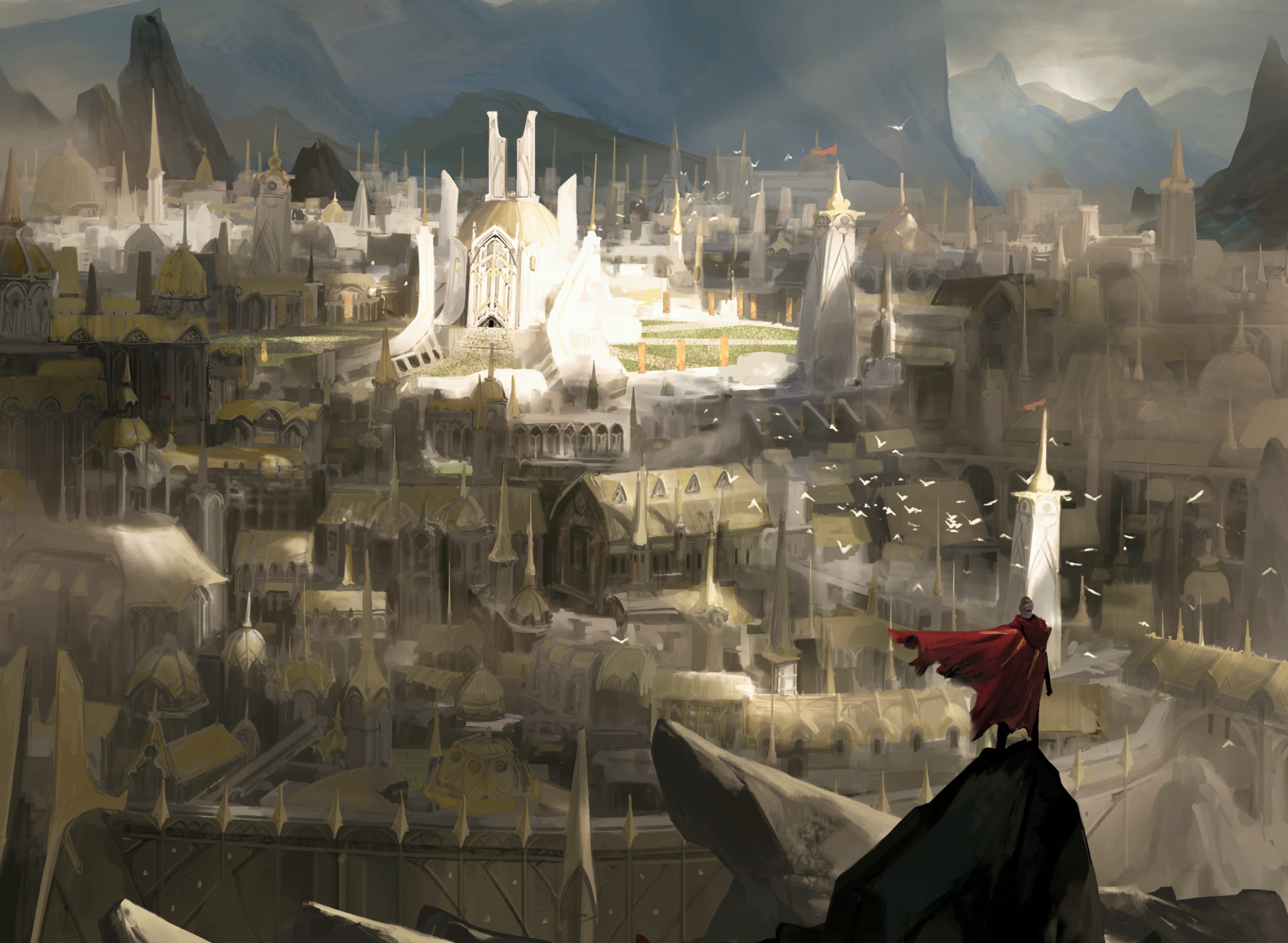
Around one hundred years ago, the Rite of Valcaris proposed opening the city to outsiders, so that the faithless could bask in the past glories of the Order and be converted. To this effect, they have actively invited selected groups to make the pilgrimage, and these were received with reenactments of some of the epic stories recorded in the archives. Be these true or fanciful exaggerations, they so delighted the visitors that word quickly spread throughout the Golden Road, and many wealthy patrons from Jenefin, Veloma, Gateway, and Quinvala made the journey as well. These theatrical productions have since been reproduced elsewhere, but it has become a mark of pride and status for the affluent of the continent to have witnessed the performances while in the beautiful statuary gardens of Sanctorum.
The effectiveness of Sanctorum as the conversion tool the Valcarists had promised has been put into question by other Rites, as many fear this holy place is being desecrated by outsiders who have no interest in being saved. The Rite of Honor is very outspoken in its opposition to the practice, considering allowing outsiders, let alone the faithless, to journey so deep within Dynas to be too great a security risk. The Valcarists respond simply that others should have more faith in the power of the Triumvirate, for their plan is working. As proof, they offer the fact that the subtle changes they have made to the stories have since appeared in historical works produced by outsiders as facts.
The Moonstruck Hills: Since the people of the Primal Blood rarely deign to build permanent structures, most places of note in Paxos are natural features. However, it may be more precise to say that the existence of these locations is the fruit of quasi-natural disasters. Such is the case of the Moonstruck Hills, a blasted, surreal landscape, created long ago when the fragments of the black moon, Iaci, impacted Selejia during the Everlasting War. Although some fragments of Iaci still orbit Agnar today, many do not even know that their world used to have two moons, for it’s been nearly two thousand years since the black moon was shattered.
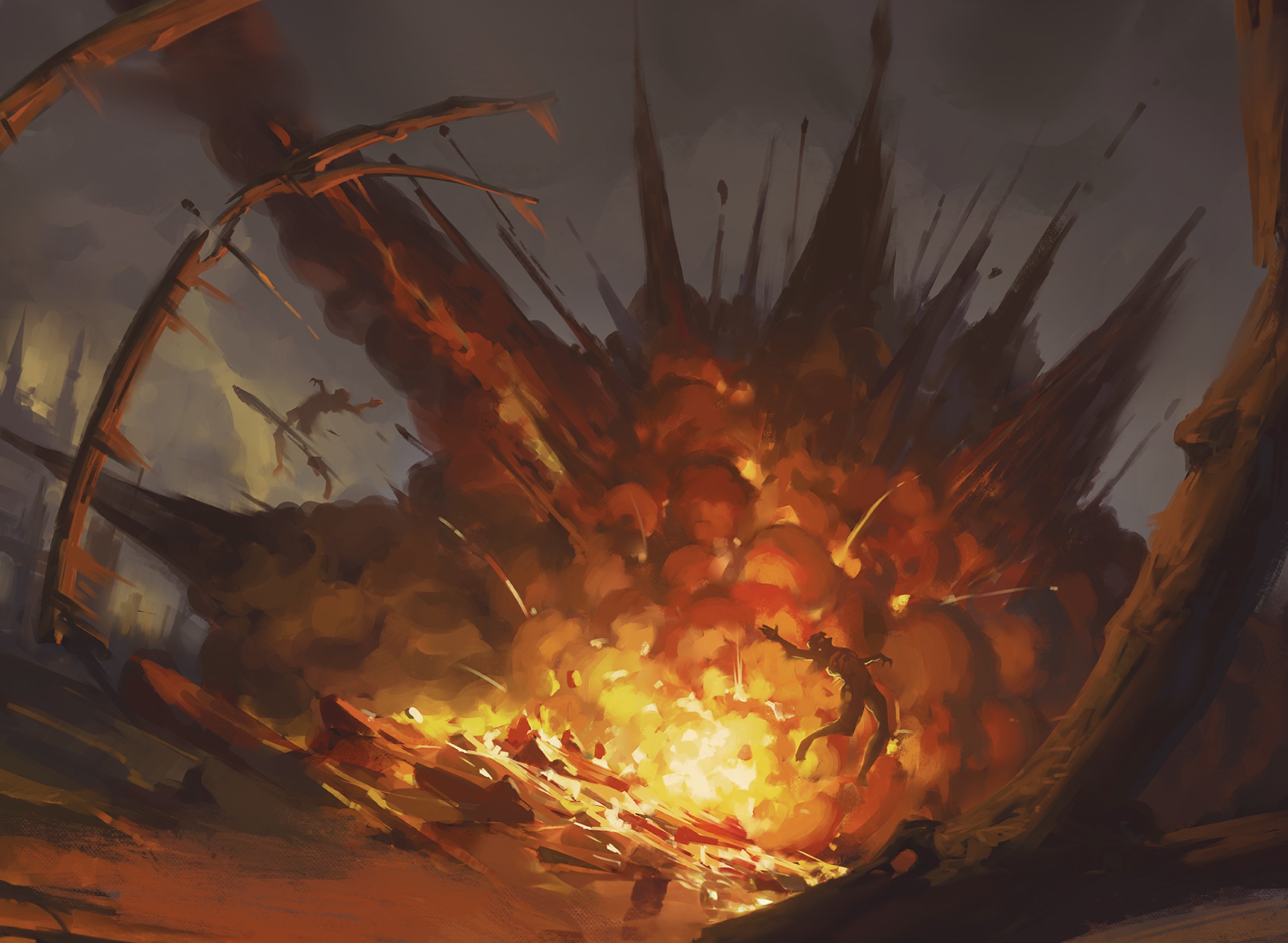
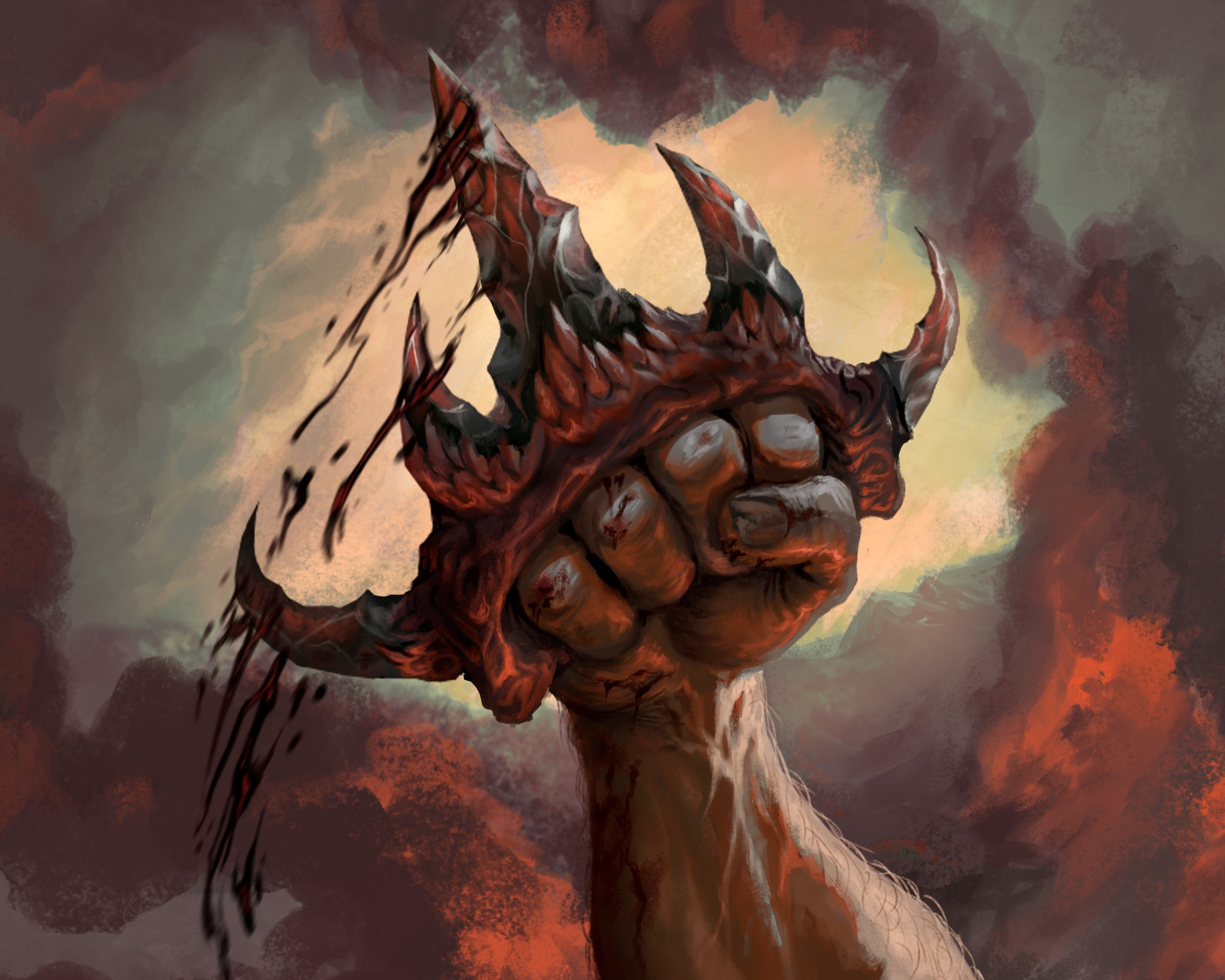
The Moonstruck Hills are nearly devoid of animal life, for beasts do not enter the area willingly. One need not dig deep to find a layer of fine black sand or warped stone. The strangest feature of the terrain, however, is the many deposits of obsidian-like glass that cover the land. Especially near the shore, entire hills shine in multicolored hues during the day, and at sunrise and sunset the sky above is illuminated with otherworldly auroras, as the hills reflect the sun’s light. The place has a serene, if somewhat unnerving beauty to it. Those who visit the region are often afflicted by strange visions and hear voices whispering in the wind. Some of these are surely nothing more than mirages, tricks of the light reflecting off the glass-like surfaces of the region, but Shamans believe in something else. Members of the Primal Blood who wish to undertake the Takra of Spirit, especially those of the Feversong Kith, have the Moonstruck Hills as a sacred destination, for in this place the barrier between the physical world and the Dreamlands of Ymiris is thin, and the visions they experience here may reveal much about the nature of life, death, and reality—for better or for worse. The Kiths extract the obsidian glass from the Hills and create weapons that bleed body and soul alike.
Much to the chagrin of the Kiths, the Conclave has set up an outpost in Liravos and has started extracting samples from the Hills for research purposes. Since they lack the means to explore the remaining moon themselves, they might as well try to unravel the secrets of the cosmos by studying what remains of shattered Iaci. Meanwhile, the Legion holds a strange fascination with the Hills, believing the mirages of the region are caused by hundreds of thousands of dead souls, trapped in the black glass since the calamitous impact. They hungrily explore the region in an attempt to unlock the mystery of how to trap a spirit.
Drav: The main attraction of Drav is, without a doubt, its Grand Arena, where horrorcrafters come to display their most disturbing creations and test them in battle. They are witnessed by representatives of the Belyosan Houses, Masters of the Conclave, and respectable merchants from the Sovereign Cities, such as Veloma, who are ostensibly there to evaluate the combat effectiveness of the fighters. In reality, the wine flows freely, bets are placed, and the bloodlust of the watchers is quenched tenfold.
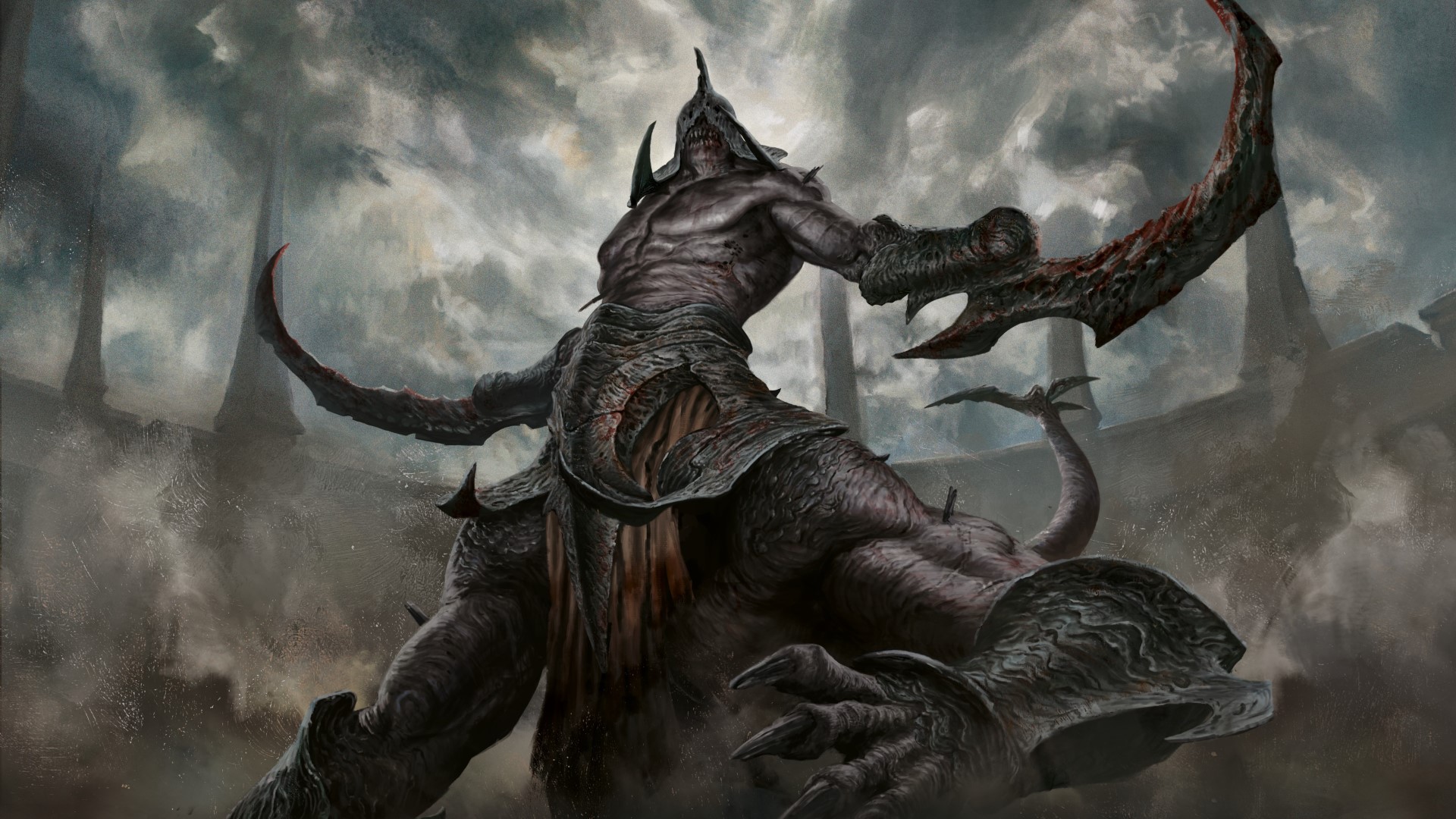
Traditionally, the Horrors are made to fight each other, or other Fallen creatures, but since the Legion opened diplomatic relations with the rest of the continent, many challengers have stepped up to the challenge, and new categories have been created. Mercenary companies from the Sovereign Cities try their luck in the gauntlet. Conclave Mages bring their Spellbound or constructs to perform field tests. Even berserkers from the Ashroots choose to do battle in the arena as their Trial of Stone. There are minor fights every day, happening in smaller venues, and the Grand Arena holds a tournament every month. At the end of each year, there is a Tourney of Bones, a prestigious tournament that attracts challengers from every corner of Selejia. The Tourney of Bones’ prizes include a percentage of the betting pool and a Relic, taken from the Malediction. For such a reward, even knights of the Order will come and try their chances.
Beyond the Grand Arena, Drav still has much to offer. It is said that there, any hunger can be sated, any desire fulfilled, and any dream, no matter how depraved, can be accomplished. Drav’s houses of desire are almost as infamous as its Grand Arena is famous, but they are also infinitely more discreet. Although rumors abound about the things that happen behind the doors of these “social clubs”, and about their memberships, nothing has been confirmed.
Gardens of Neverlight: The tale of the gardens starts as many others from the Conclave, with experiments gone awry. It is hard to say exactly what went wrong first, since the legal dispute between Sphere’s Chimer and Sybil is still ongoing, but it all started when the Conclave turned its sights on the Shards. These islands on the opposite side of the Churning Sea were created when a peninsula was ravaged by the cataclysmic consequences of the Fall, and had remained unclaimed since. The isolated nature of the place made it perfect for large-scale experiments, ones too dangerous to perform on the main Quinvalan Isles. Sphere Chimer took advantage of the southernmost Shard to test their Liastrum-enhanced crops. Meanwhile, Sphere Sybil was constructing new observatories on the northernmost isle, after reverse-engineering the magic of the Starcast Halls. The main issue was that neither Sphere informed the other of the nature of their experiments, and when they interacted, disaster ensued.
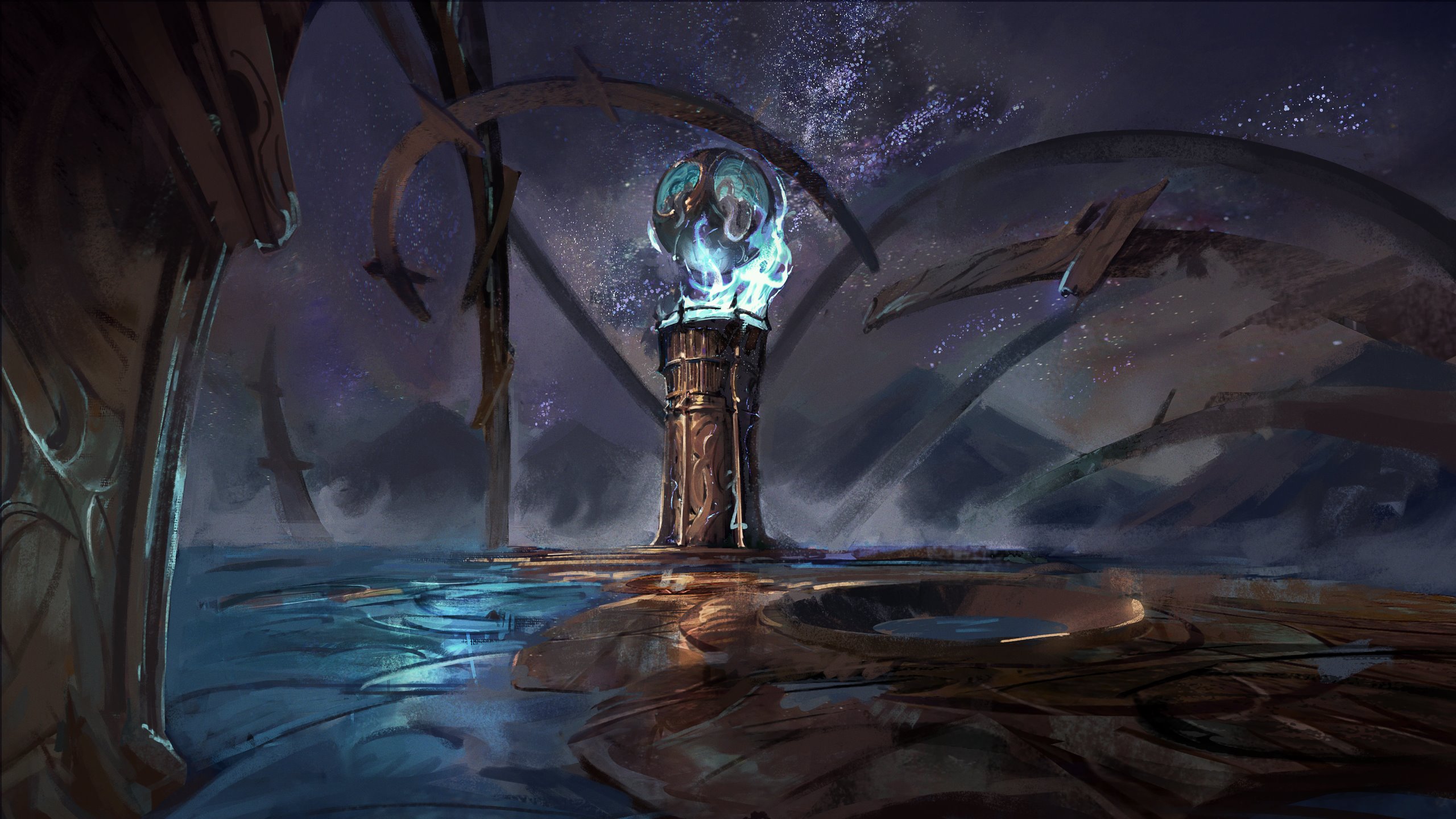
When the Sybil mages activated their observatories, the region was covered in a shroud of night, just as they had planned. What they had not anticipated was spell reactions getting out of control, growing to cover all of the islands and creating a patch of sky of permanent night. Every plant in the region died in the following weeks, except those that had been introduced by Chimer or contaminated by their experiments. Instead, these plants thrived, evolving rapidly and spreading throughout the region with the help of animal life. In turn, the machinery of the observatories, which sustains the spells, was overrun by the mutated plants, so that even attempting to undo the damage became impractical, if not impossible. As things quickly got out of hand, the Council of the Nexi intervened. Sphere Akhenza was sent to create wards that would prevent both mutant wildlife and perpetual night from spreading any further. Ever opportunistic, the Council has since reframed the environmental disaster as a demonstration of the Conclave’s might and the possibilities of Liastrum.
Within the mutated wild forests, the Conclave has created botanical gardens where apprentices can go and learn about the effects of Liastrum on living matter. The observatories are still functional, even if their operation is somewhat dangerous. Although they cannot undo the permanent night, the mages can alter the shroud to show the sky as it was a thousand years ago, or how it will be a thousand years from now. The sight of the change is breathtaking, and combined with the gardens, has made the Shards one of the most popular visitation spots for Conclave mages who wish to rest. Recently, the Conclave has had some success in convincing wealthy patrons from elsewhere on the continent to pay a hefty fee to visit the Gardens of Neverlight. Guided tours through the wilder parts of the Shards are charged separately.