The Seven Rites
Author: Tiago Bonifácio
Lore Article
The Seven Rites
Author: Tiago Bonifácio
“The Wall of Galdrun has been breached, and the enemies now trample upon sacred ground. Some believe the twilight of the world is upon us, but I say: as long as our words are carried by faithful hearts, we will remain. The death to come is but a test of faith, and even if Osterath falls, it shall bloom somewhere else, stronger. We taught the pillars of faith, the bastions of the honored. Order to defeat chaos, Faith to defeat apathy, Punishment to defeat heresy. As long as our empire stands on these cornerstones, even Ymiris will shudder at our majesty. These are my words. Go forth and persevere.”
— The Word of Valcaris
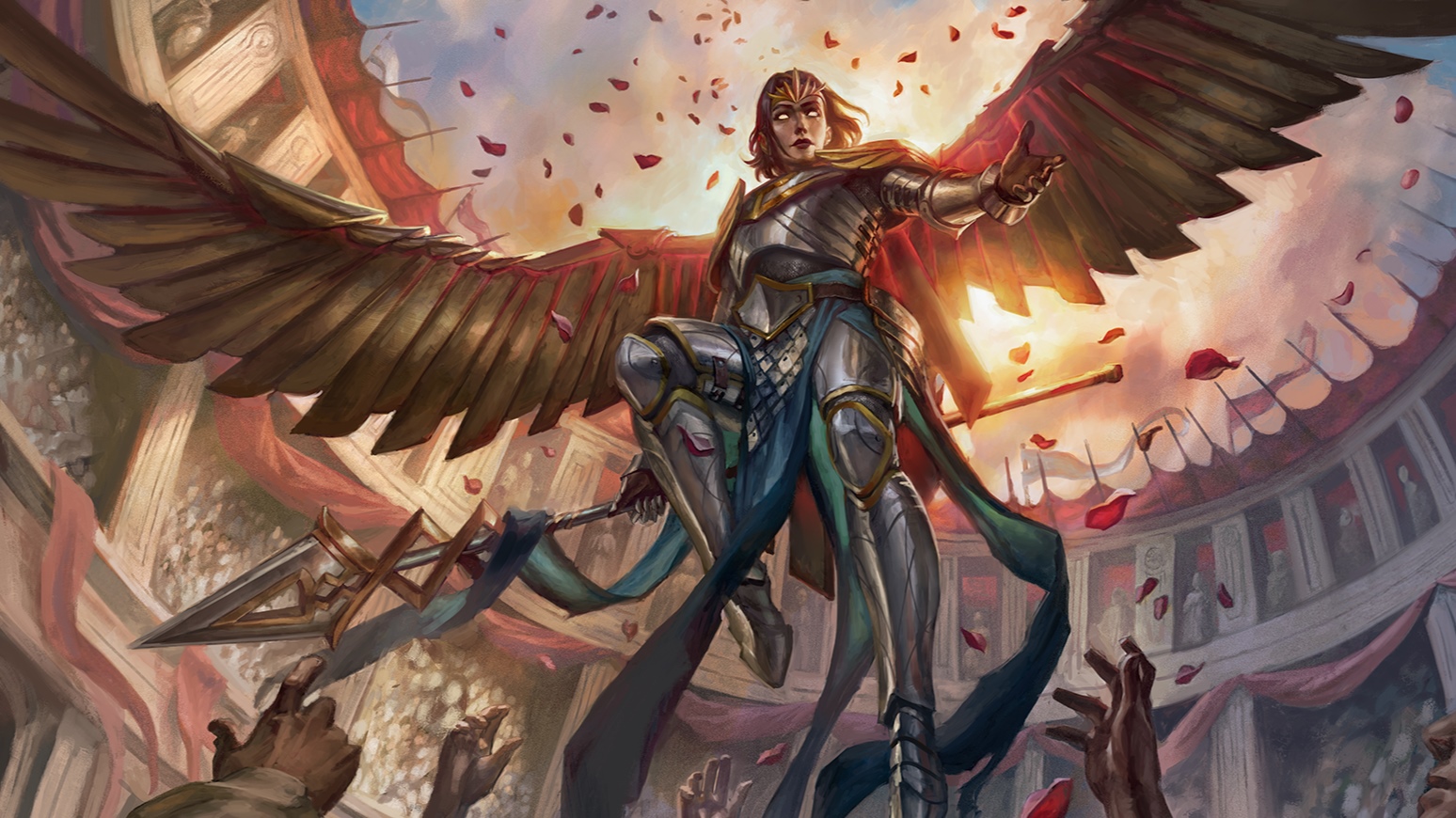
In the days that preceded the fall of Osterath, a group of the most pious servants of the Triumvirate were chosen for a mission of grave importance. These men and women were to take the Shards of the Throne of Oster and keep alive the dream of a perfect world that their gods had shared with them. Although the full power of the Throne was too much for any single person to bear, each of its shards was still a part of the whole. Some would bond with these fragments of the Everlasting Vestige, being enlightened by the wisdom of Oster. They became something new, more than mortals but less than gods. They became the Lucidi. At first, there were three, each foregoing their mortal names in favor of those for the Triumvirate virtues of Justice, Faith, and Redemption. As the Order of the Shattered Throne established itself as one of the great powers of the continent during the Age of Strife, others were elevated to the status of Lucidi. In total, there are now seven Lucidi who rule over the Order.
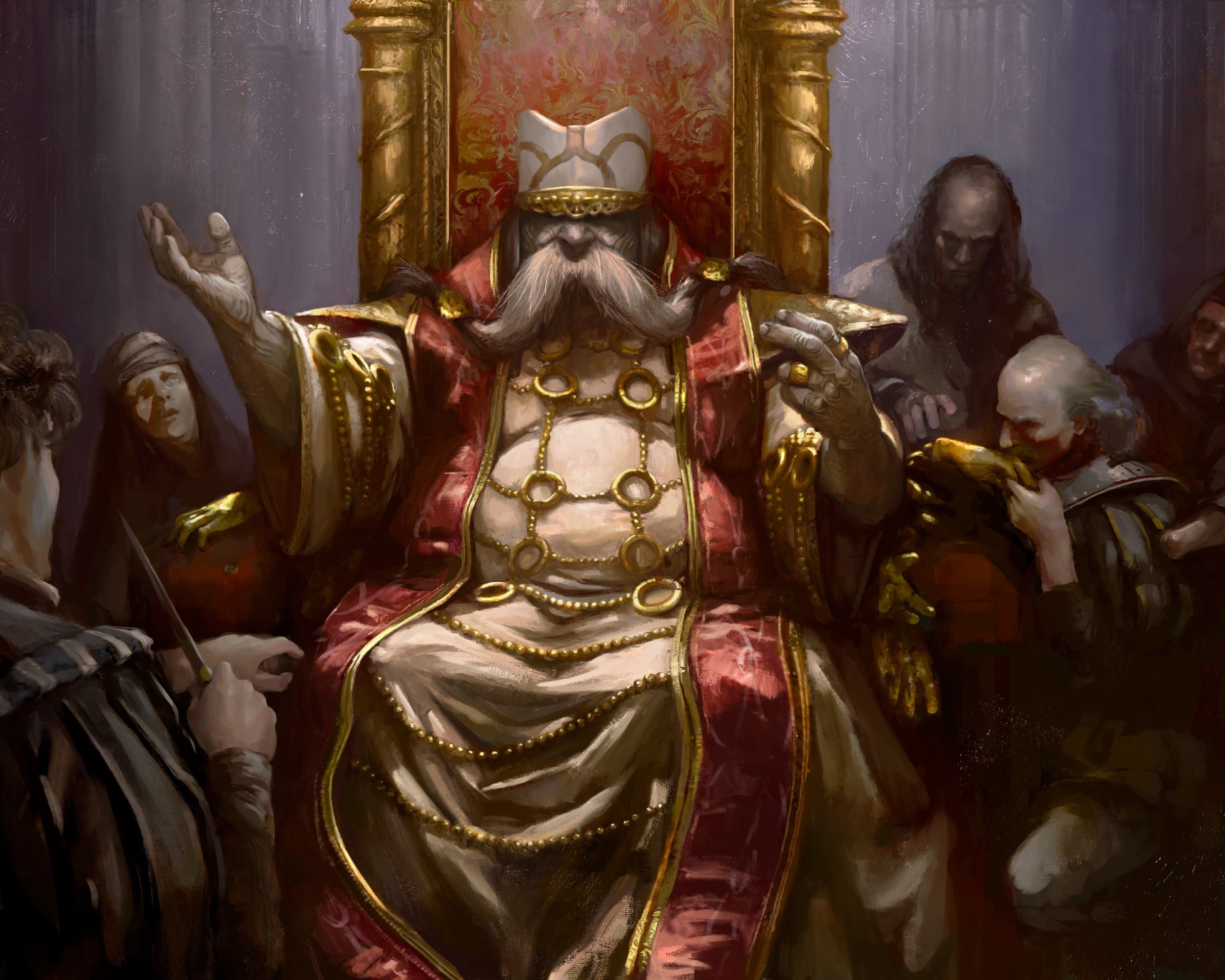
The ascension of a new Lucidi is a momentous occasion for the Order, for each of them is bonded to a Shard of the Throne, and the power of Oster and of the Oathbound Light flows through them, bringing them close to divinity. Since all of them forego their own identities in favor of becoming paragons of the Order, it is unclear if the individuals who escaped Osterath so long ago are the same who hold the title of Lucidi today. Some say they are truly immortal, while others suspect many have carried the names of Justice or Faith over the centuries. The Lucidi themselves seldom make public appearances, and even when they do, they are covered from head to toe in the finest cloth, their faces hidden behind golden masks. It is rumored that, to look upon their visage is to invite divine judgment.
When they must come together, the Lucidi gather in the Holy City of Tempras, but their movements and actions are largely unknown by the general populace. This must be so, for the Lucidi are simply too important for the continued existence of the Order. The Oathbound Light, the magic drawn from the souls of the Order’s faithful that has enabled the survival and expansion of the nation, is anchored in the Shards of the Throne of Oster, and in the Lucidi themselves. Those high-ranking members of the Rites, who understand this truth, shudder to think what would happen if the Lucidi were to fall and the power of the Oathbound Light were to be unleashed without control.
Each of the Lucidi is the leader of their own Rite, at once a clerical sect and a branch of the Order’s government. The Rites work together to advance the mission put forth by the Triumvirate: to reestablish an empire that can guide the continent to an age of light, cleanse the corruption of the traitor Everlasting from the people of Selejia, retake the city of Osterath and heal the Malediction, and finally prepare the world for the return of the Triumvirate.
Although the Lucidi are the true leaders of the Order, it is their mortal representatives, the Septas, who deal with the everyday governance of Dynas. These are some of the individuals with the most influence over continental politics, with entire armies marching on their command. They are hand-picked by the Lucidi and usually serve for life. The Septas meet once every six months to discuss matters of the government in the capital city, Astaris. Otherwise, they each rule their Rites from a different city that serves as their seat of power. Each of the Septas chooses a number of Hands, powerful members of the Rites who can speak for their masters in all matters, and are given the power to enact their wishes. They are often sent on official missions where their Septas cannot go, even beyond Dynas.
Rite of Law:
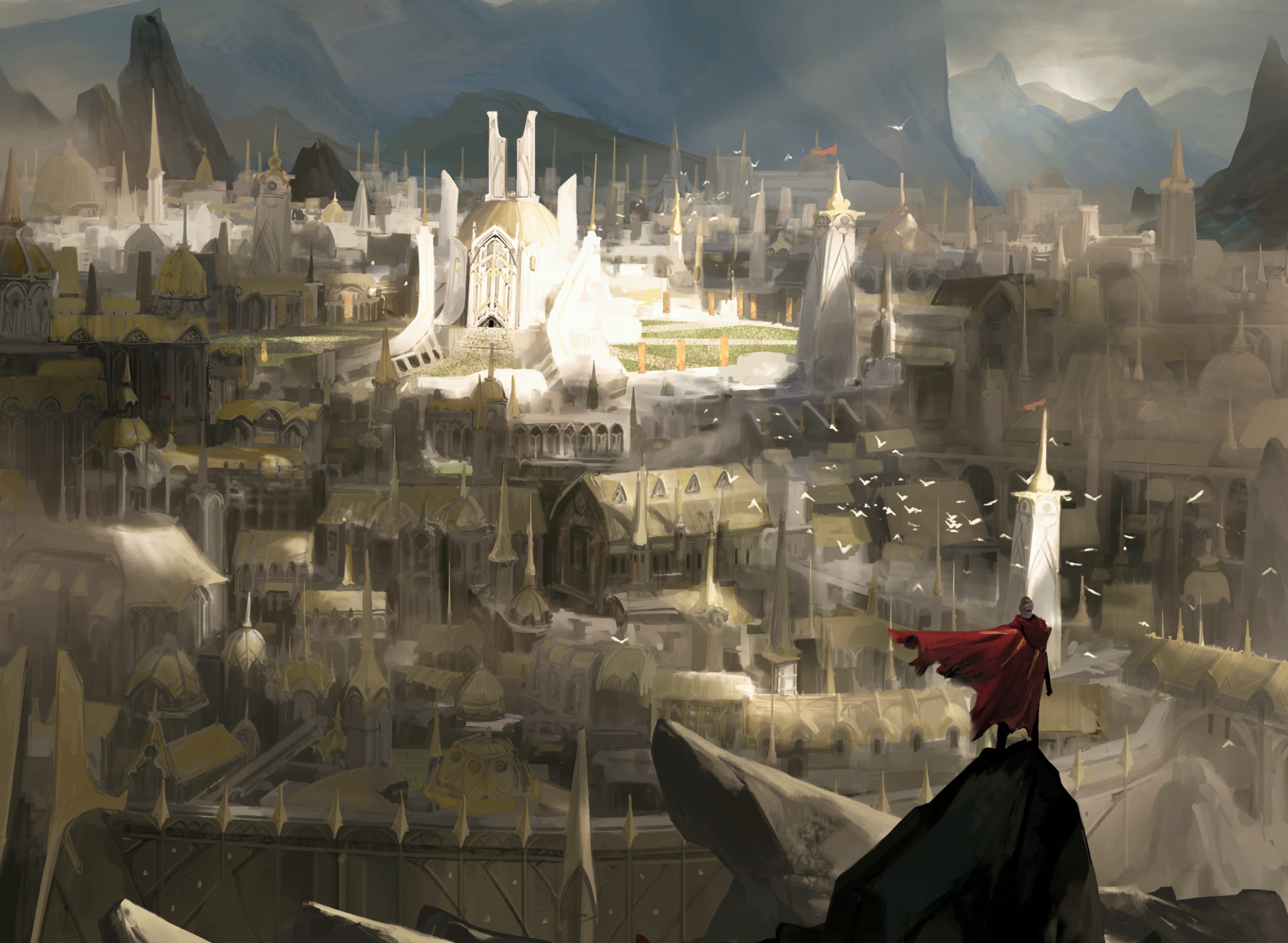
Although all Rites derive their power from a connection to Shards of the Throne of Oster, it is the Rite of Law that serves as the embodiment of the World Judge’s values. The rule of law is their domain, meaning they are stewards of the justice system and keepers of the legislation created by the Rites. It is their role to ensure the scales of justice are balanced. The Penitents prosecute and dispense punishment, the Valcarists defend and provide solace, and the Law passes judgment. Priests of Law are the bureaucrats of the Order, procuring resources and allocating them to where they need to be, and keeping records of the dealings between the Rites and other nations. The Rite of Law is largely preoccupied with internal governance, rather than expansion, so its soldiers are focused on the defense of the existing institutions of the Order. Their seat of power is in the capital, Astaris.
Rite of Valcaris:
They are keepers of the Word of Valcaris, a holy text penned by the Everlasting known as the Voice of Faith, to serve as a guiding light to the people. They are the silver-tongued evangelists of the Order, going out onto the continent to convert people to the Valcarist faith. They believe it is better to convert your enemies to your cause, rather than destroy them, and have been instrumental in the creation of New Osterath and the “salvation” of souls from the ranks of the Primal Blood. The schools of the Order are managed by the Valcarists, and as children mature, they are ever evaluating their pupils for those with an affinity for wielding the Oathbound Light. It is also the Valcarists who perform the rituals that will bind the souls of the faithful to the will of the Triumvirate. The Valcarists are the diplomats of the Order, their kind words and approachable demeanor meaning they are welcome in places where their brethren from other Rites are feared. Their seat of power is in the Holy City of Tempras.
Rite of the Penitent:
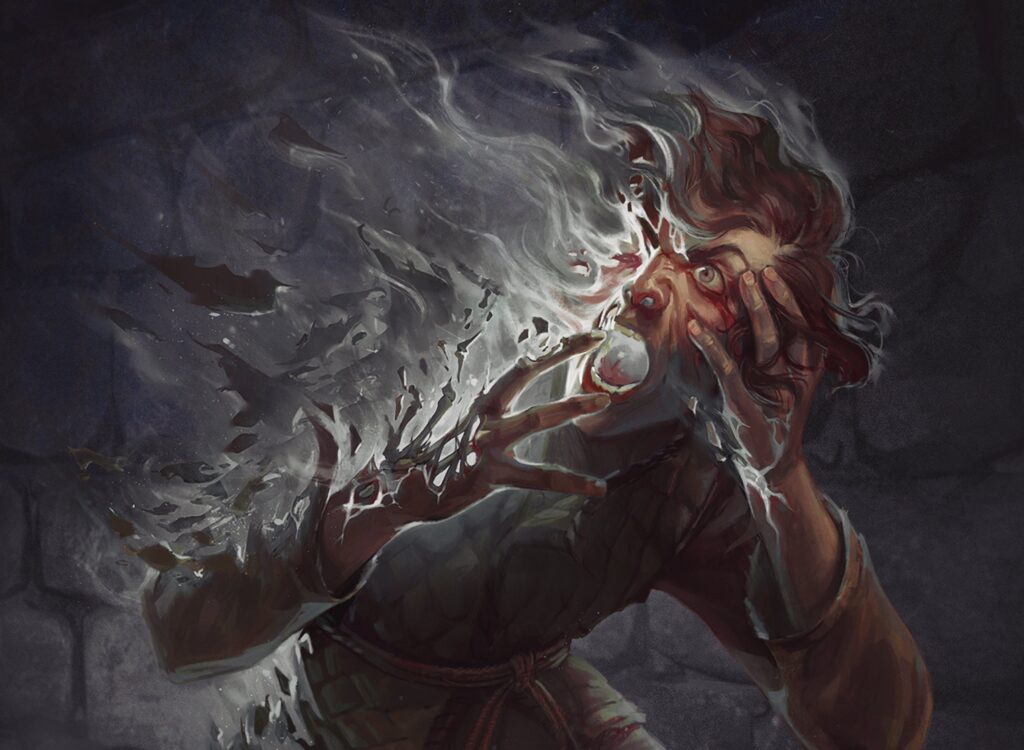
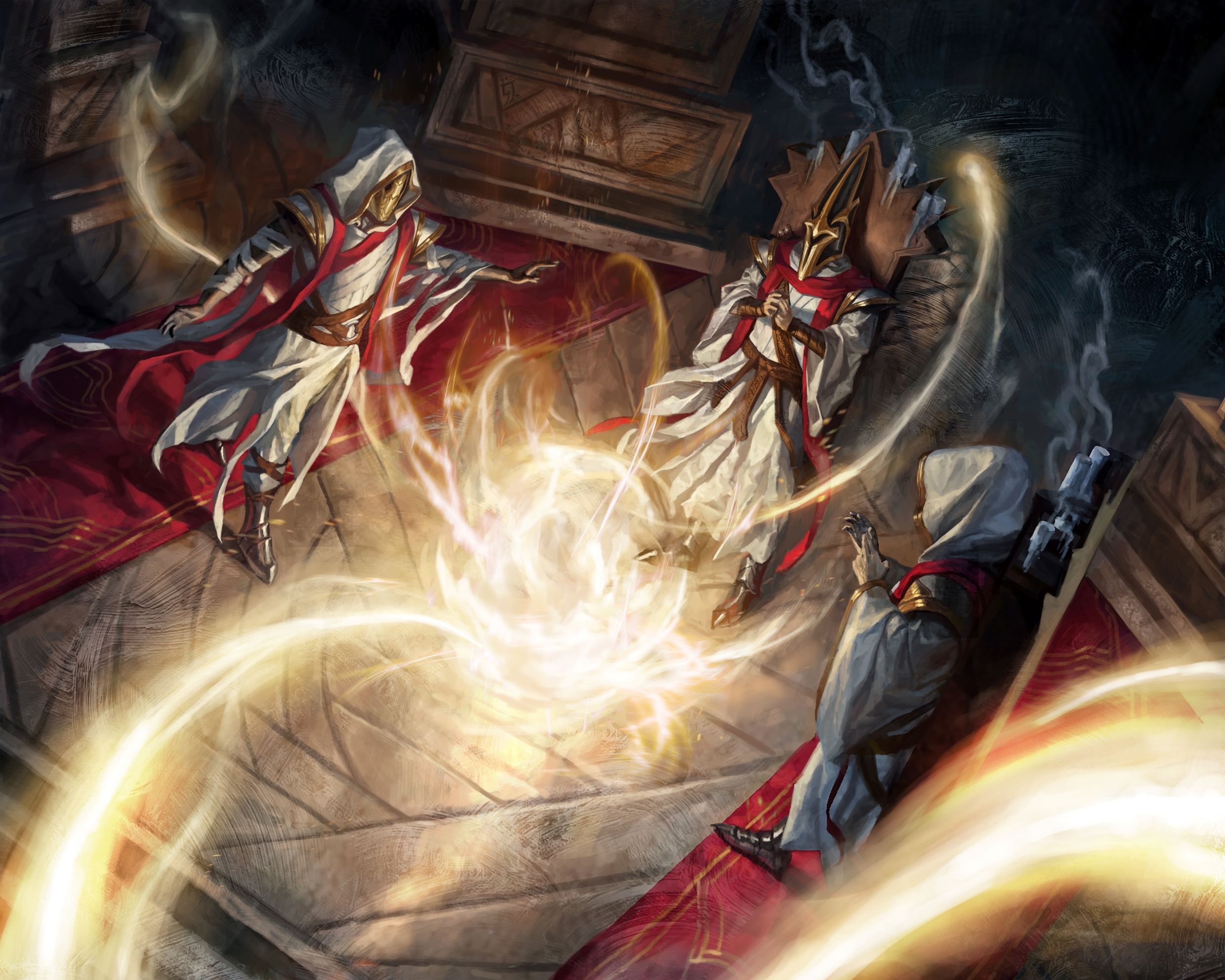
The Rite of the Penitent is composed of servants of Expiatra, the Cleansing Flame. They would rather see the faithless pay for their sins, the blood they shed washing the world clean of corruption. They oversee the dispensation of punishment, both to castigate the weak and unworthy members of the Order, who dared go against dogma, but also to give them an opportunity to atone for their sins. The Penitents may apply their techniques to the enemies of the faith, but most of their charges are members of the Order who have strayed from the light of the Triumvirate. The Order holds no prisons, at least not in the way others would recognize. Through purifying pain and cleansing fire, the bodies of the sinners are made pure, so that their souls may once again serve the Rites. They are the torturers and interrogators of the Order, and many of them have found a new purpose in the city of Revalis, their seat of power.
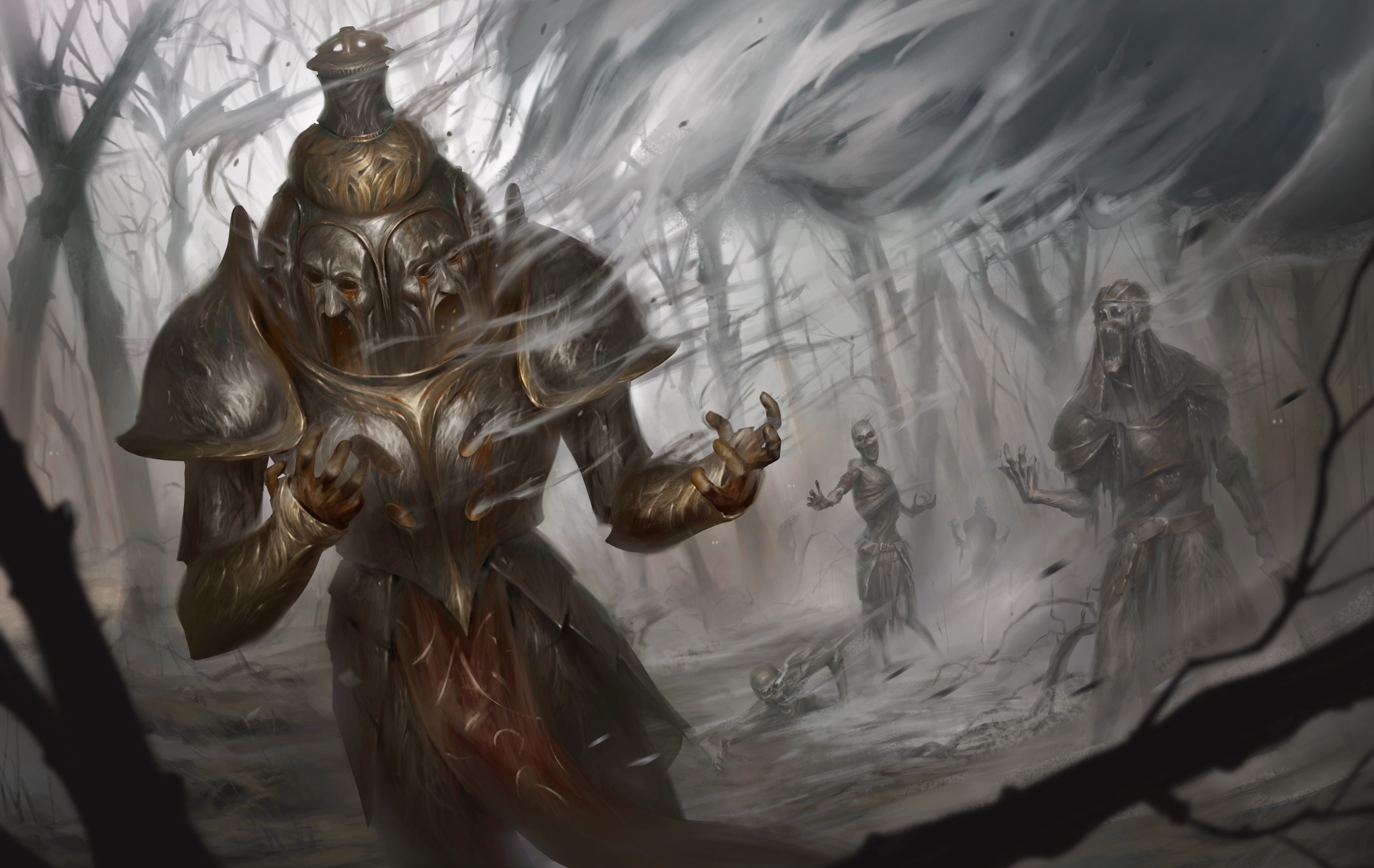
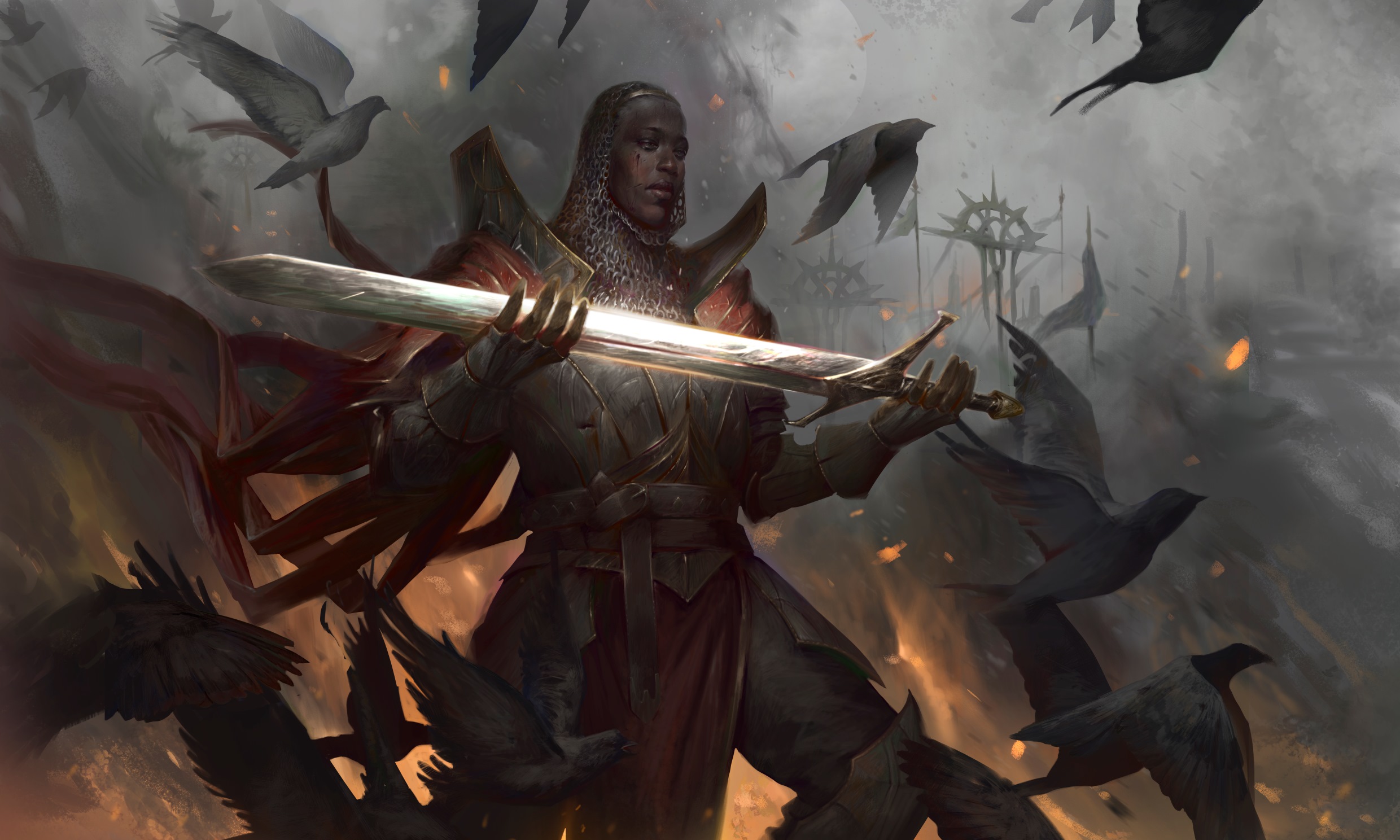
As integral to the foundation of the Order as the first three Rites, the knights of the Rite of Honor are the military arm of the Order. It is their duty to venture beyond the borders of Dynas and reconquer what was lost during the Fall. For now, they are focused on the Malediction, but many expect them to turn their eyes to the rest of the continent before long. The Rite of Honor is also responsible for the basic military training of the lowborn, preparing all members of the Order to answer the call to war. All knightly families of renown enjoy the status of princept and receive special dispensations from the other Rites, for as long as their members remain in good standing and perform their duties to the Order. Some of these families have fallen out of grace over the centuries, reduced to the status of peasants. The Rite of Honor is ruled not by a Septas, but by an Arch-Marshal from the fortress city of Charn.
Rite of the Forge:
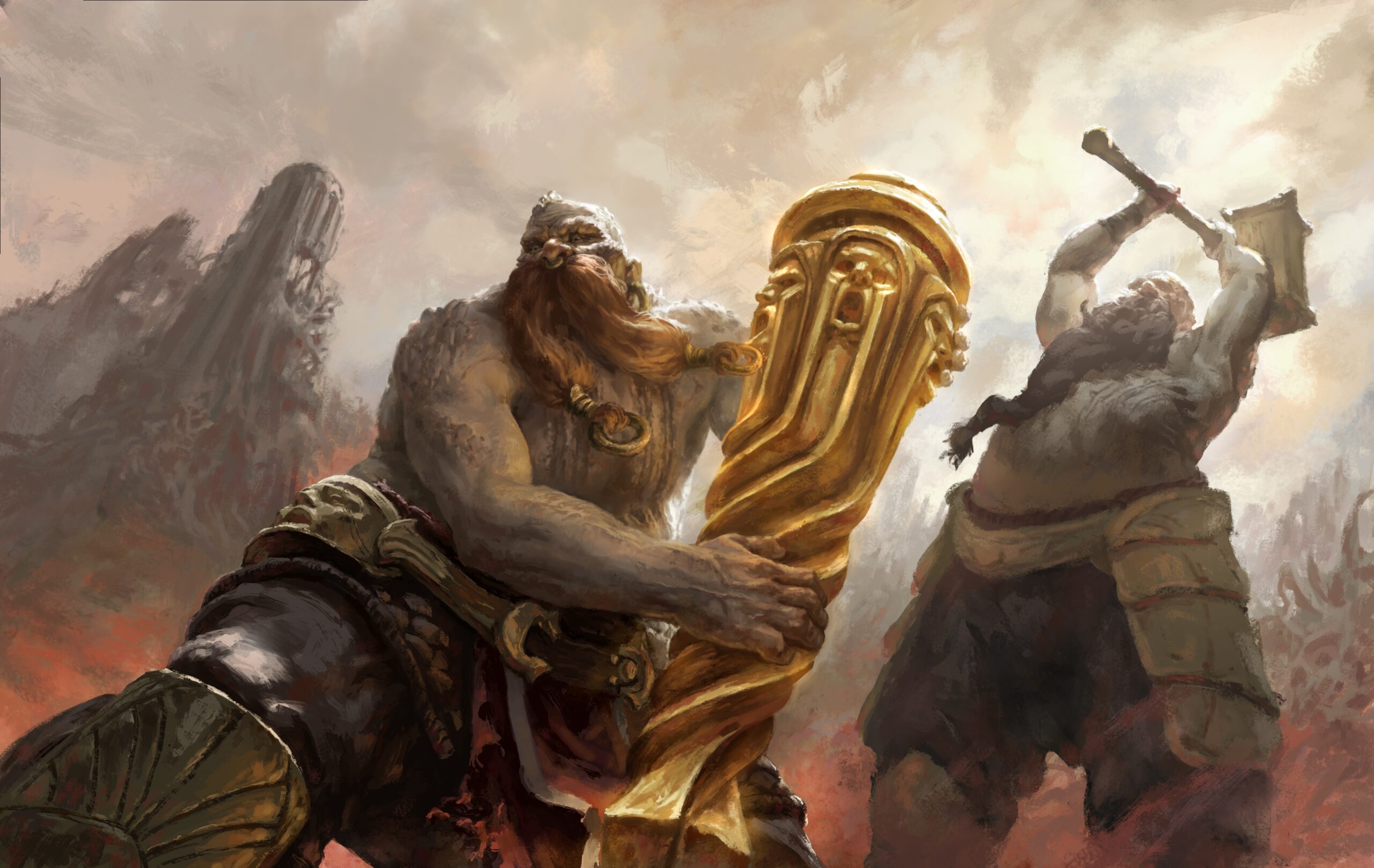
It was during the Age of Strife that many of the Vulkir joined the Order. Galdrun, the Shaper of Mountains, creator and patron of the Vulkir, had been a staunch ally of the Triumvirate, and he shared many of their values, so it was only natural for his children to join, and one of them ascended as a Lucidi. For a thousand years, the seat of power for the Rite of the Forge was Midrasil, but since its fall, the Rite has relocated to the Citadel, an inverted fortress built around a Tower of Transposition. Although originally only Vulkir were members of this Rite, any of the faithful who demonstrate an aptitude for the crafting arts may be permitted to join. These are the masons, smiths, woodworkers, and any other type of skilled laborer. Their ranks also include architects, engineers, and siege masters of the Order. The Rite of the Forge is responsible for the maintenance and expansion of the infrastructure of Order territories. They also construct the military fortifications of the Order and man their walls.
Rite of the Intemerate:
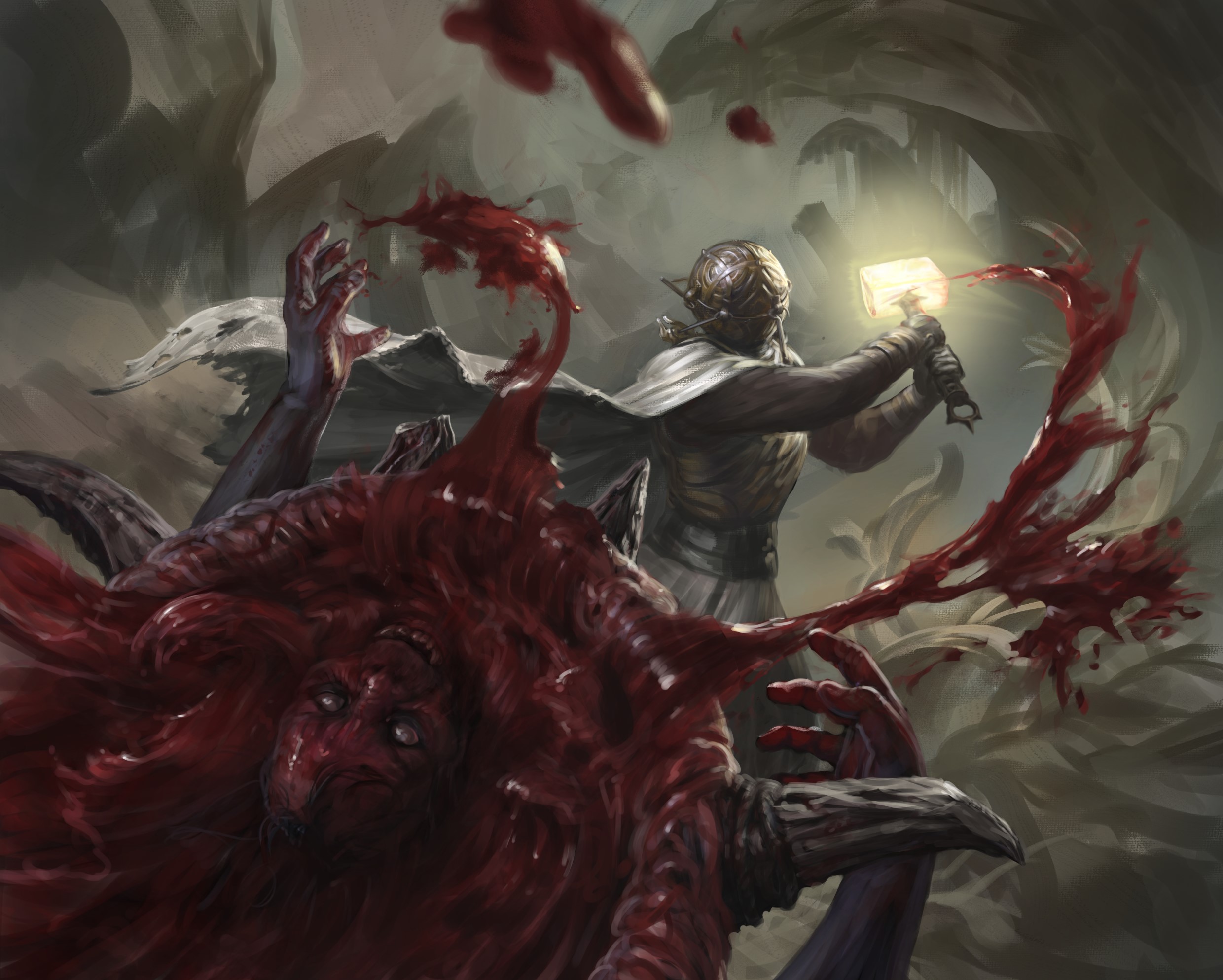
At the dawn of the Age of Legacy, as the Rites prepared to renew their efforts to explore the Malediction, they were forced to recognize the danger posed by the corrupt magic wielded by their enemies. Their failure to deal with such magics had surely contributed to the downfall of Osterath. Beyond that, not all of the Relics and Legacies recovered from the Malediction would be free of this corruption, for the betrayers had created just as many of these artifacts as the Triumvirate. The Rites decided to add to their number a Lucidi that would guarantee the Purity of the kingdom that was to come, facing the enemy mages, shamans, and necromancers head-on. So it was that the Rite of the Intemerate was born. Their seat of power is the Reliquary, an ancient fortified monastery that safeguards many Relic Vaults, structures designed to both protect and contain Relics and Legacies recovered from the Malediction or confiscated from the knights of the Rite of Honor. It is the duty of the Intemerate to go out into the world and hunt down the Striga, those who wield heretical magic against the Order and its agents. While the Rite of Valcaris may try to convert and the Rite of the Penitent may attempt to cleanse the sin through fire and pain, the Intemerate are uncorruptible, unforgiving, unrelenting warriors who will broker no peace.
Rite of the Ophanim:
It was in the 84th year of the Age of Legacy that an expedition into the Malediction uncovered one of the Ophanim, creatures of legend created by the Triumvirate to protect them from their enemies. The Ophanim were said to be the ultimate weapons of the Triumvirate, capable of razing cities to the ground and defeating several Legacy bearers at once. While Humans, Vulkir, and Erisyr were carved from the flesh of the first children, the Ophanim were crafted from the flesh of the Everlasting themselves. The Order recovered an Ophanim from the Malediction at great cost, and founded a new Rite around it. They bound it to the Oathbound Light, and let it feed on the most pious of the faithful. Sometimes the Ophanim will disgorge a new creature from this process, a Hallowed being, closer to the divine than any mortal, barring perhaps the Lucidi. Through this process, the Rite of the Ophanim hopes to one day create the perfect vessels for the return of the Triumvirate. Evey Hallowed is technically a failure in this regard, but they are still mighty creatures who are allocated for service to the other Rites, so that the causes of the Order may be advanced. The Rite is also responsible for the disposal of any Hallowed that shows signs of faltering in their faith, or is corrupted by heretical magic, for their power cannot be allowed to turn against the Order.